Top Electronic Information Disciplines
Electronic Science and Technology and Information and Communication Engineering rank among China’s highest-rated engineering disciplines.

China’s electronic information university — built for the digital industries since 1956
Established in 1956 as the Chengdu Institute of Radio Engineering from the radio and electronics departments of Jiaotong University, Nanjing Institute of Technology and South China Institute of Technology, the University of Electronic Science and Technology of China (UESTC) was created as the country’s first university dedicated to radio and electronic information. It is a 985, 211 and Double First Class university whose Electronic Science and Technology and Information and Communication Engineering disciplines rank among the very strongest in China, supported by more than 30 national-level research platforms. Teaching is concentrated on the modern Qingshuihe campus in Chengdu’s West Hi-Tech Zone, alongside the older Shahe and Jiulidi campuses in the city centre. UESTC suits international students aiming at microelectronics, communications, computing, artificial intelligence and integrated circuit careers, and hosts over 1,000 long-term international students from more than 100 countries and regions.
Key reasons international students choose University of Electronic Science and Technology of China for their studies in China.
Electronic Science and Technology and Information and Communication Engineering rank among China’s highest-rated engineering disciplines.
State key laboratories in electronic thin films, integrated devices, communications and terahertz technology drive frontier research.
Joint UESTC–University of Glasgow electronics degrees award two accredited diplomas from one four-year program.
Campus sits inside the West Hi-Tech Zone beside semiconductor fabs, telecom labs and software headquarters.
English bachelor tuition of CNY 20,000 a year and Chengdu prices well below Beijing or Shanghai levels.
Long-standing recruitment ties with Huawei, ZTE, China Mobile and leading domestic chip design houses.
National designations and world rankings that signal academic strength and prestige.
Explore the degree programs and academic strengths available to international students at University of Electronic Science and Technology of China.
What you need to apply to University of Electronic Science and Technology of China as an international student.
Transparent tuition, living costs and scholarship options for international students.
What daily student life looks like at University of Electronic Science and Technology of China.
A spacious modern campus in the West Hi-Tech Zone built around lakes, lawns and lakeside study pavilions.
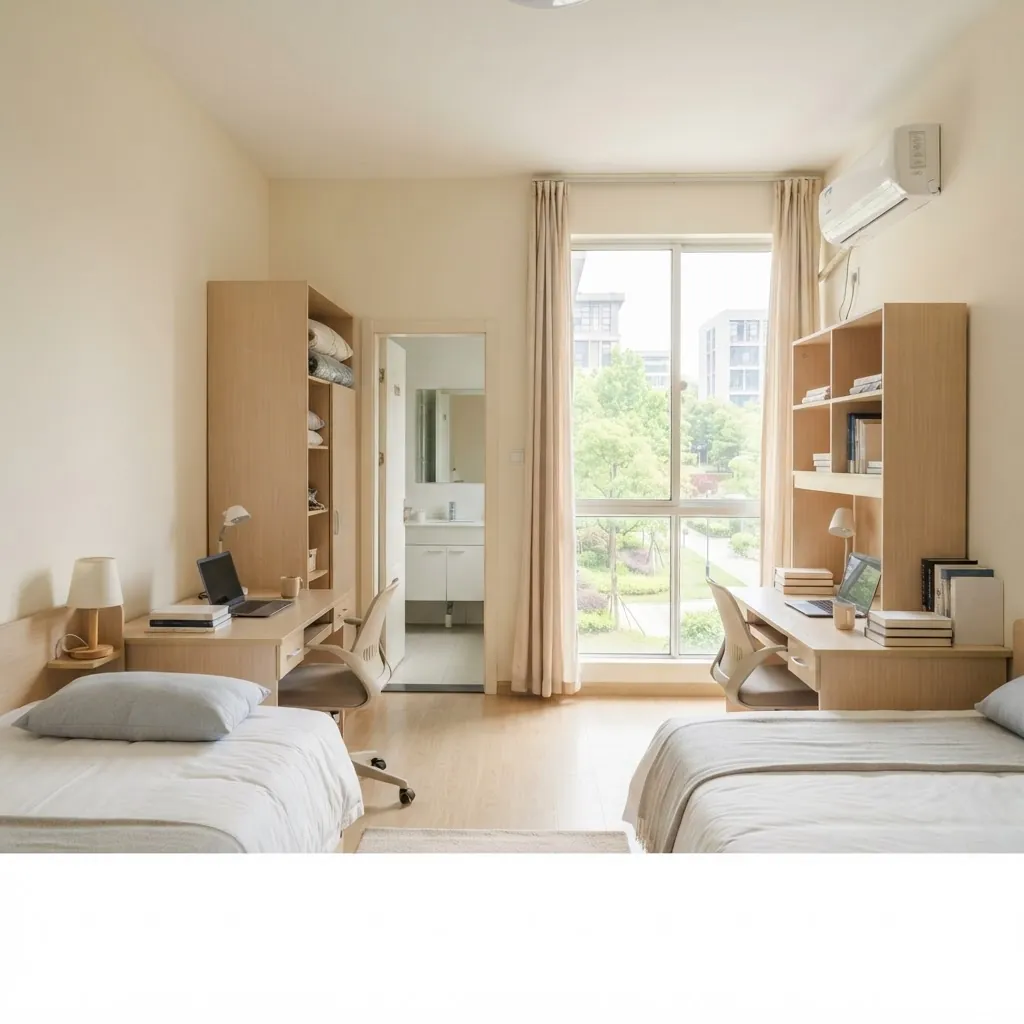
On-campus rooms from CNY 3,000 per year, with laundry, study lounges and 24-hour reception nearby.
Open innovation workshops with 3D printers, PCB tools and drone bays for student engineering projects.
Multiple canteens plus halal and vegetarian counters, with famous Chengdu street food minutes away.
Stadium, gymnasium, swimming pool, tennis and basketball courts open to all enrolled students.
Chengdu Metro Line 4 connects Qingshuihe to downtown, giant panda base and Tianfu business district.
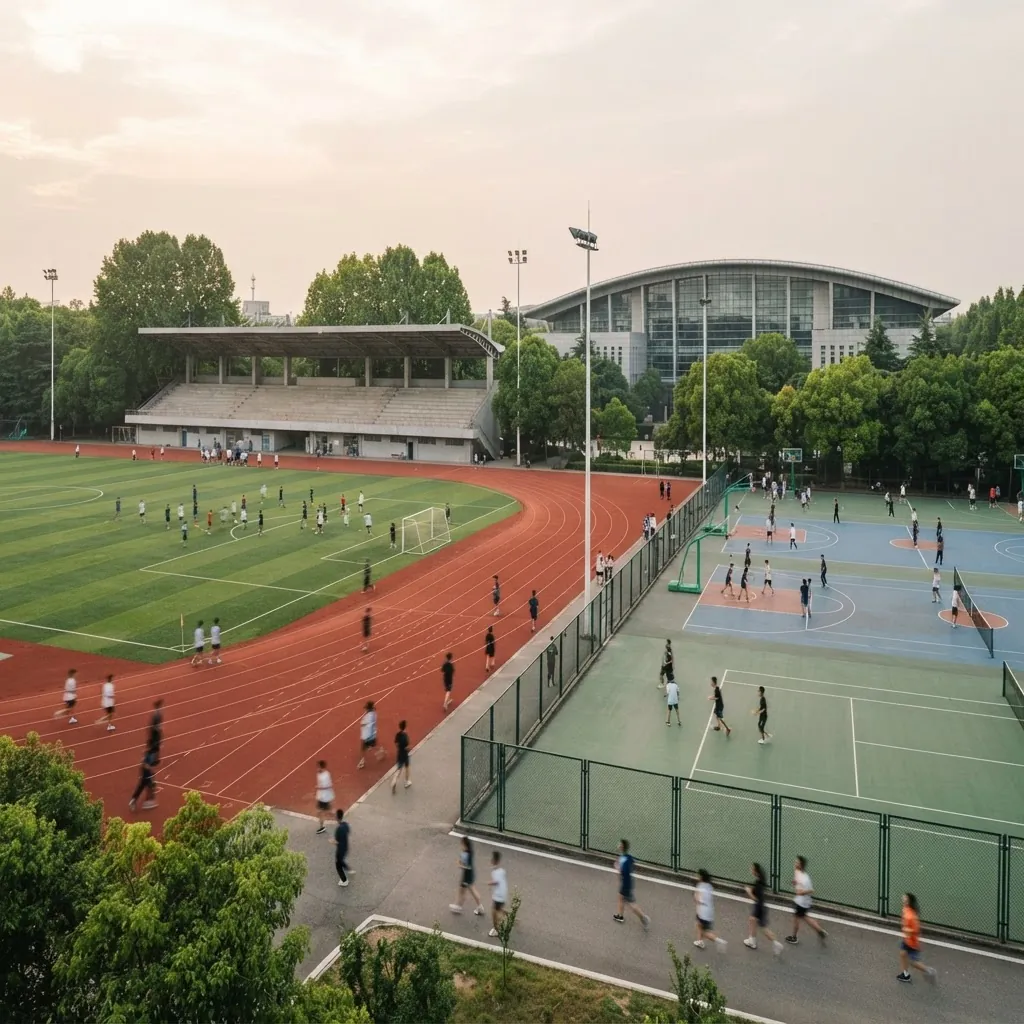
A visual tour of University of Electronic Science and Technology of China.


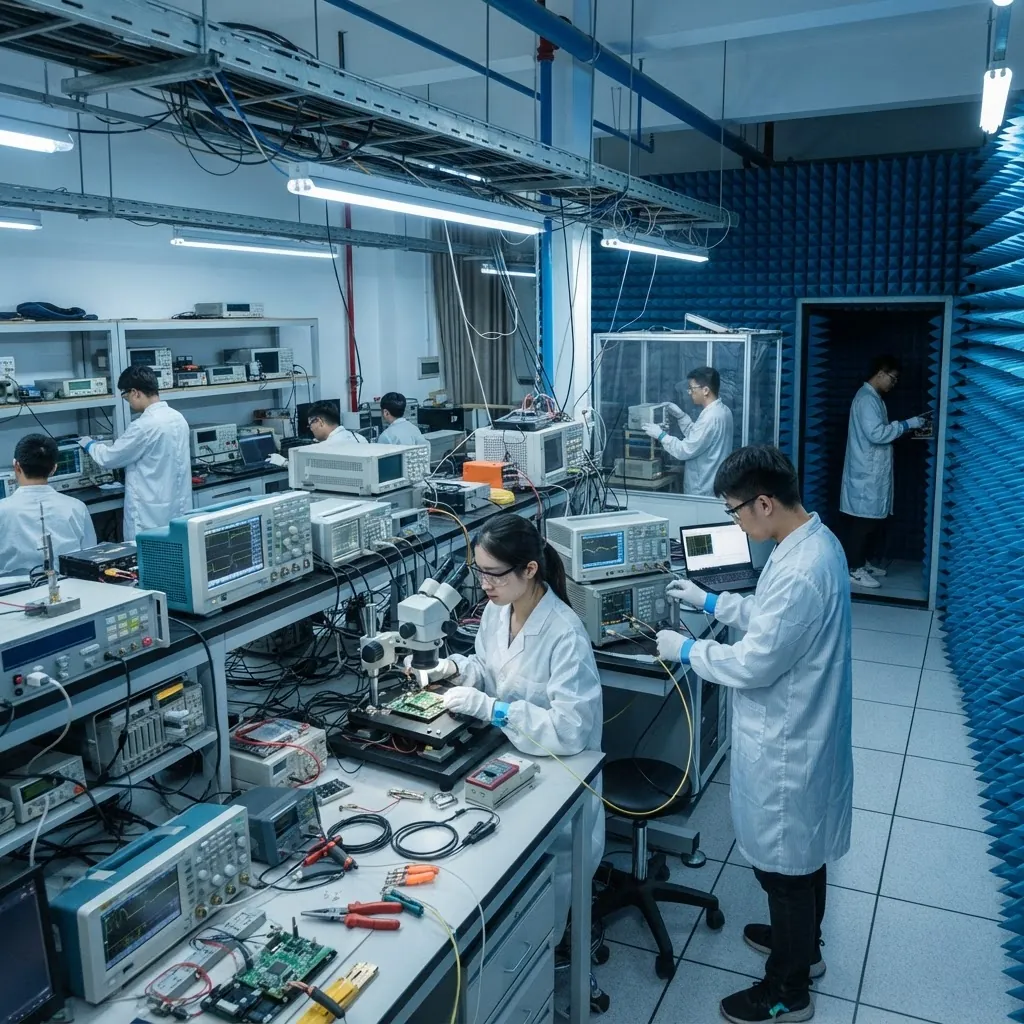

Research capacity and innovation ecosystem at University of Electronic Science and Technology of China.
The State Key Laboratory of Electronic Thin Films and Integrated Devices leads Chinese work on advanced materials and chips.
National key laboratory research on wireless communications, 5G/6G waveforms, antennas and network security.
One of China’s foremost centres for terahertz sources, imaging, sensing and vacuum electronics research.
Long-established radar, remote sensing and target recognition programs serving aerospace and civil applications.
Institutes in AI, brain-inspired computing and intelligent robotics link algorithms with real hardware platforms.
Shared laboratories with Huawei, ZTE, China Mobile and chip firms turn campus research into deployed products.
Where a degree from University of Electronic Science and Technology of China can take you after graduation.
Graduates enter integrated circuit design, packaging and testing roles across China’s expanding chip industry.
Huawei, ZTE, China Mobile, China Telecom and equipment suppliers recruit heavily from UESTC every year.
Strong placement into Tencent, Alibaba, ByteDance and Chengdu’s large software and gaming cluster.
Many bachelor graduates progress to UESTC master’s programs or leading engineering schools abroad.
UESTC engineering graduates consistently report among the highest starting salaries in China.
Alumni founded and lead major Chinese internet, communications and electronics companies worldwide.
How University of Electronic Science and Technology of China helps international students settle in and succeed.
Help reserving an on-campus room at Qingshuihe or Shahe, or finding nearby housing before arrival.
Guided support converting your X1 visa into a residence permit within 30 days of entering China.
Orientation covers registration, academic systems, banking, mobile plans and living in Chengdu.
School advisors and research supervisors guide course selection, credits and laboratory placement.
Mandarin classes for English-track students plus a one-year Chinese preparatory program for degree entry.
Campus clinic access, compulsory insurance enrolment and referrals to major Chengdu hospitals.
Round-the-clock campus security and International Students’ Office contacts for urgent situations.
Assistance with JW202 forms, visa renewals, exit-entry formalities and travel documentation.
International student associations, national societies and cultural festivals spanning 100+ countries.
Key dates and milestones for applying to University of Electronic Science and Technology of China.
The UESTC international student online application platform opens for the following September intake.
Undergraduate applicants register for the CSCA; graduate applicants secure a supervisor’s acceptance letter.
Submit your full application to be considered for CSC, Chengdu Government and UESTC scholarships.
Final date for self-funded applicants to complete the online application and upload all documents.
Schools assess applications and conduct interviews, then issue Admission Notices and scholarship decisions.
UESTC posts your Admission Notice and JW202 form so you can start the visa application process.
Apply for your X1 student visa at the Chinese embassy or consulate in your home country.
Arrive in Chengdu, move into your dormitory, register, complete the medical check—then classes begin.
Answers to the questions international students ask most about University of Electronic Science and Technology of China.
Compare Chengdu's leading universities to find your best match.



Get a free academic assessment and our admissions team will confirm your eligibility, shortlist the best programs for your profile and guide you through every step of your application to University of Electronic Science and Technology of China.